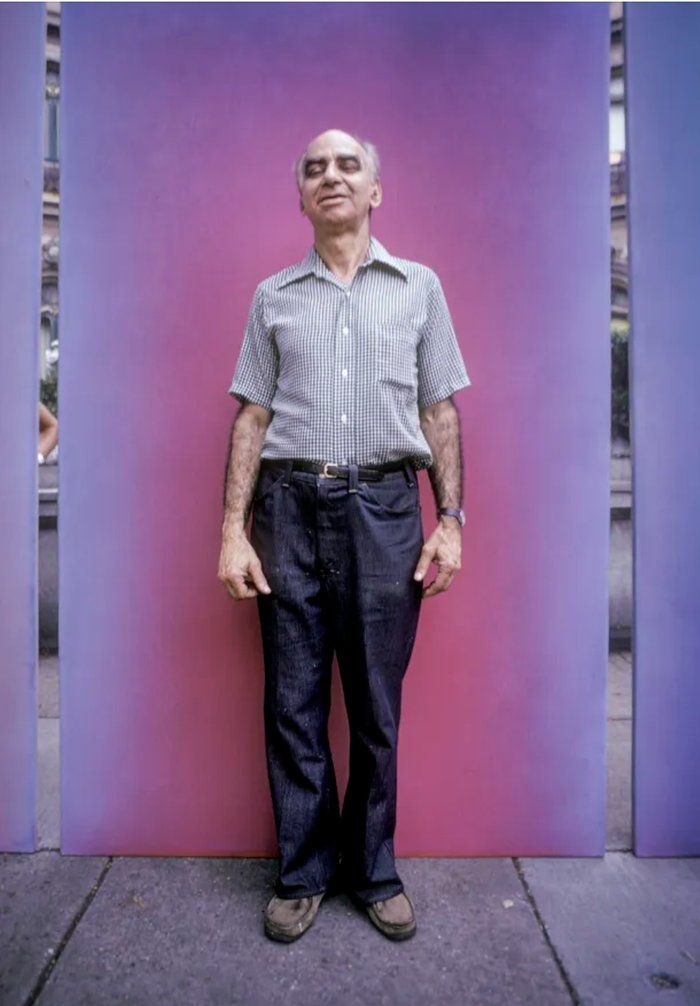
Leon Berkowitz
1911 – 1987 · Washington Color SchoolLeon Berkowitz was a founding figure of the Washington Color School, alongside Morris Louis and Kenneth Noland. Working from the 1950s through the 1970s, these artists pursued color field painting: large, non-objective fields of pure color, built rather than depicted.
Berkowitz's own method was singular — thirty to sixty layers of thin oil glaze, laid down one over the next, until the canvas seemed to hold its own light rather than reflect it. “For Berkowitz, color was a vehicle for light, and light was a vehicle for the spirit,” as his gallery puts it. In 1945 he co-founded the Washington Workshop Center for the Arts with his wife Ida Fox Berkowitz and the artist Helmut Kern — a gathering place that helped the Color School become a movement, though Berkowitz spent his career resisting easy placement inside it.
His work is held by the Smithsonian American Art Museum, the National Gallery of Art, the Museum of Modern Art, the Phillips Collection, the Corcoran, and the Wadsworth Atheneum, among others. ACA Galleries currently represents Leon Berkowitz’s estate, continuing a relationship that spans many years.
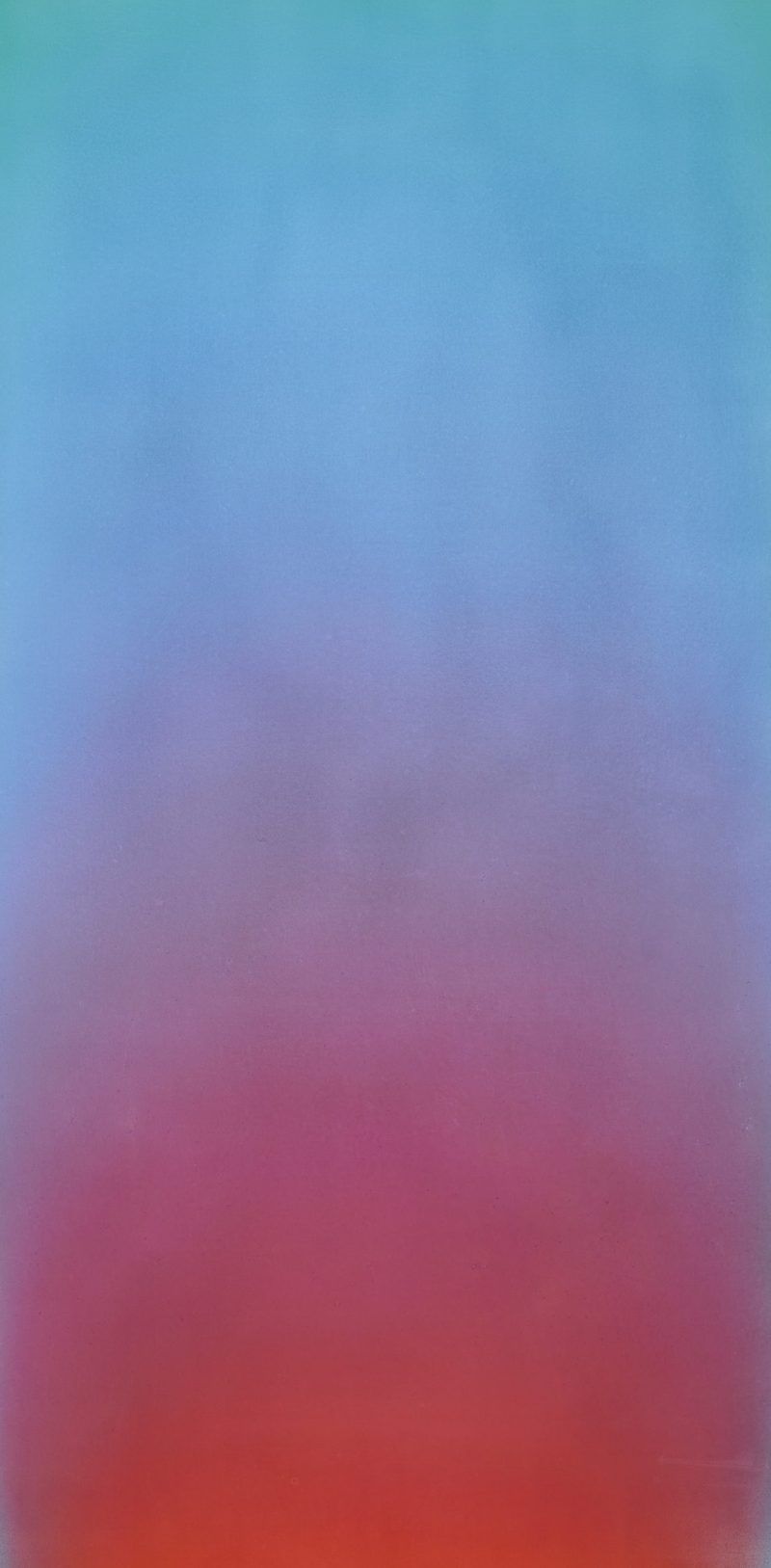
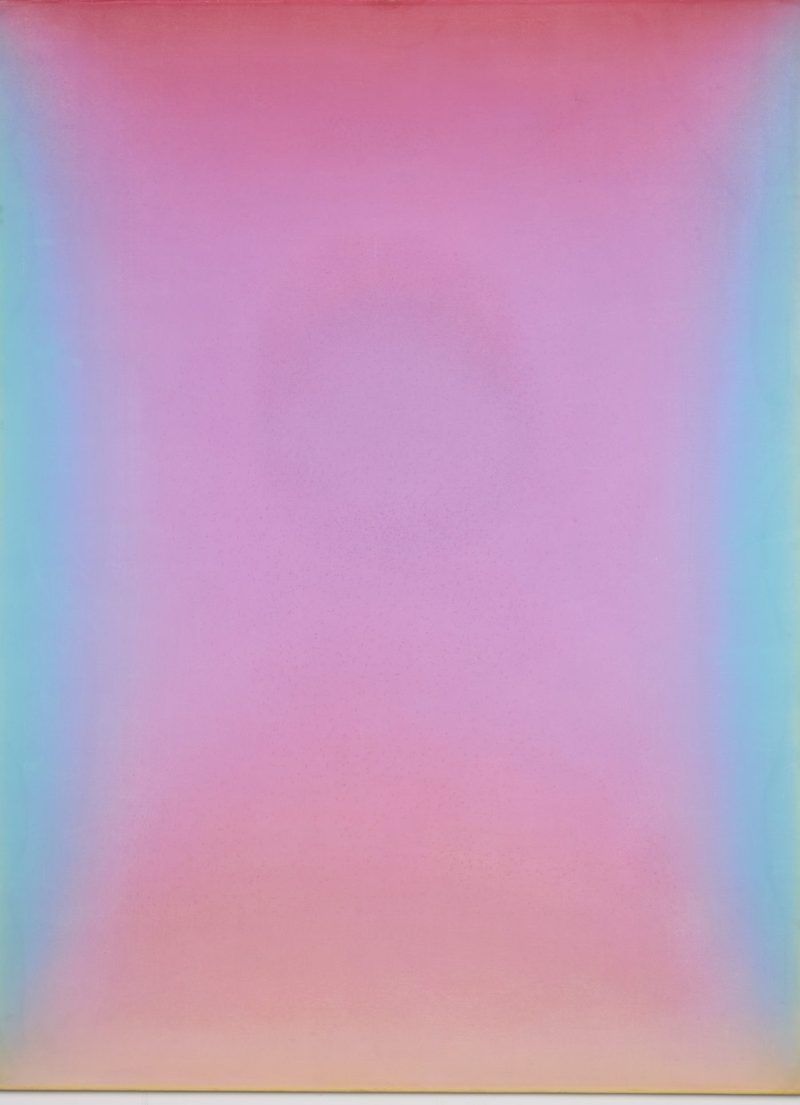
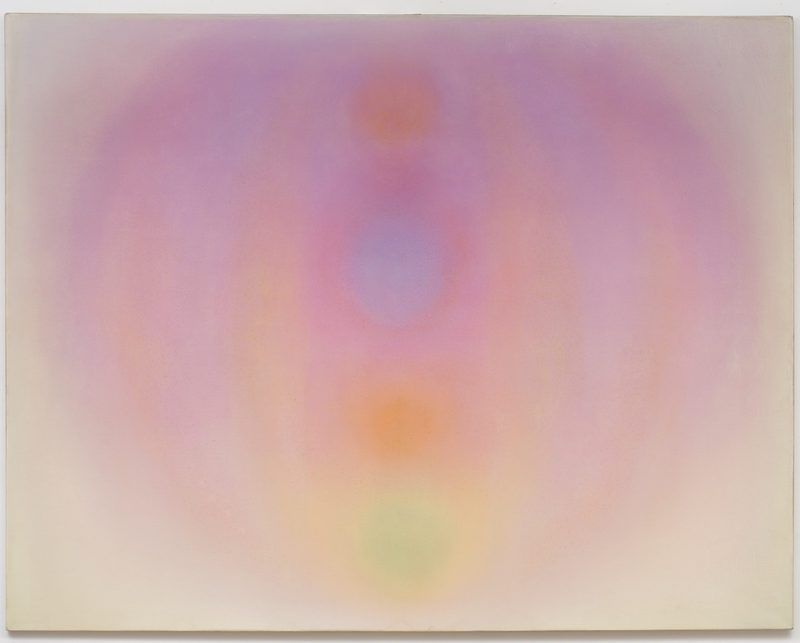
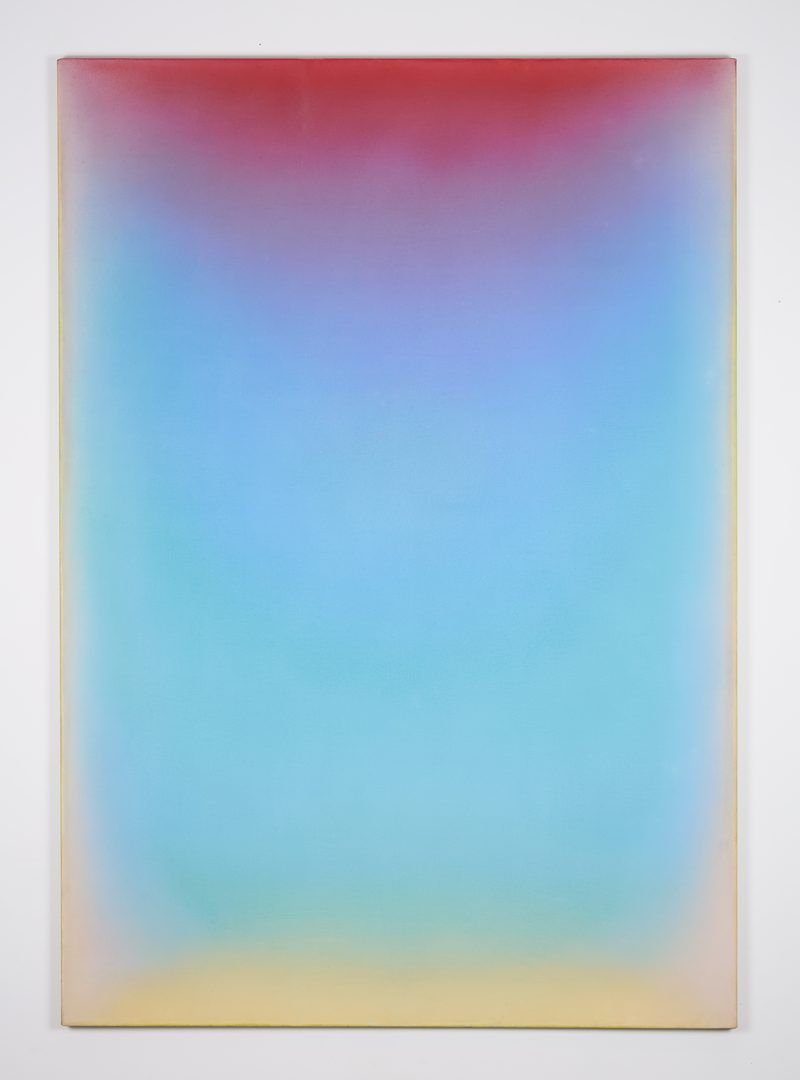
Leon Berkowitz was the first inspiration behind our inaugural exhibition, “Portraits of the Subconscious”. He is a reminder to us that color and light are worth the patience of true presence. We didn't vote on featuring him so much as listen and respond to a choice that seemed to have already been made for us — and we're grateful every day that we did.
Beth Ames Swartz
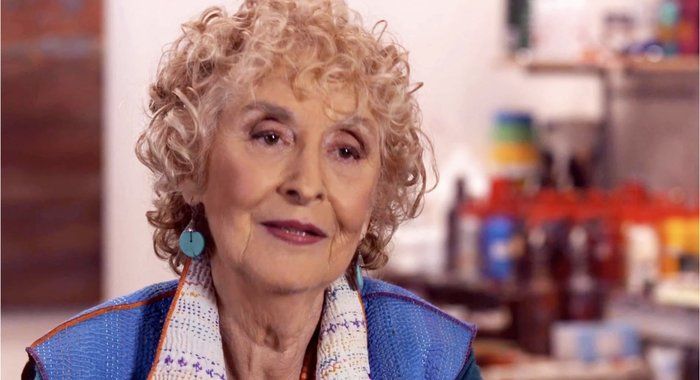
b. 1936, New YorkBeth Ames Swartz studied at the Art Students League and the High School of Music & Art before earning a B.A. from Cornell (1957) and an M.A. from NYU (1959). She moved to Arizona in 1959 and, after years of feeling out of place in the desert, bonded with it viscerally on a rafting trip down the Colorado River in 1970 — a turn that shaped the rest of her career.
Her work moves through abstraction and ritual: burned and torn paper built around the Kabbalah, a series called Israel Revisited that honored ten women of the Hebrew Bible with earth gathered from ten sacred sites, and The Thirteenth Moon — large mixed-media canvases each paired with a 1,300-year-old poem by the Tang dynasty poet Du Fu. Her work has been shown at the Jewish Museum, the Phoenix Art Museum, and the Scottsdale Museum of Contemporary Art, where a retrospective with her daughter Julianne Swartz ran through August 2026.
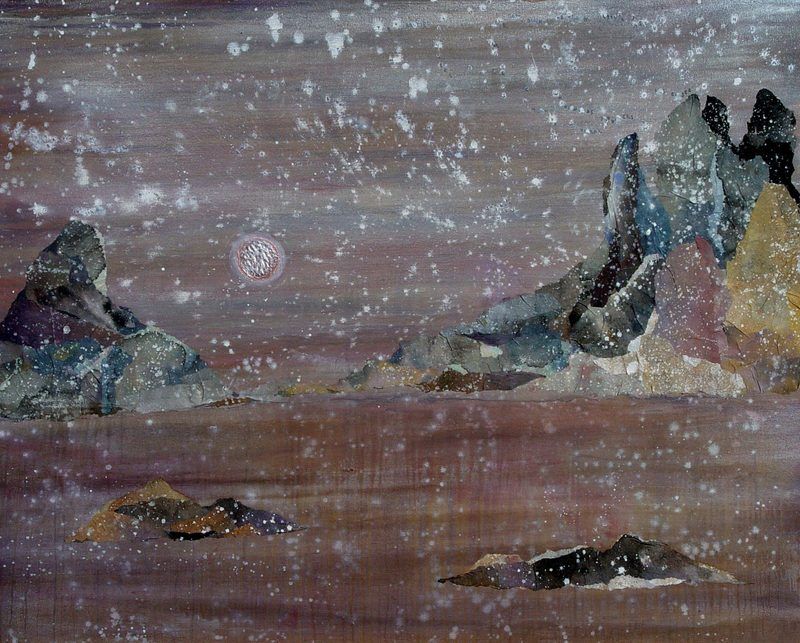
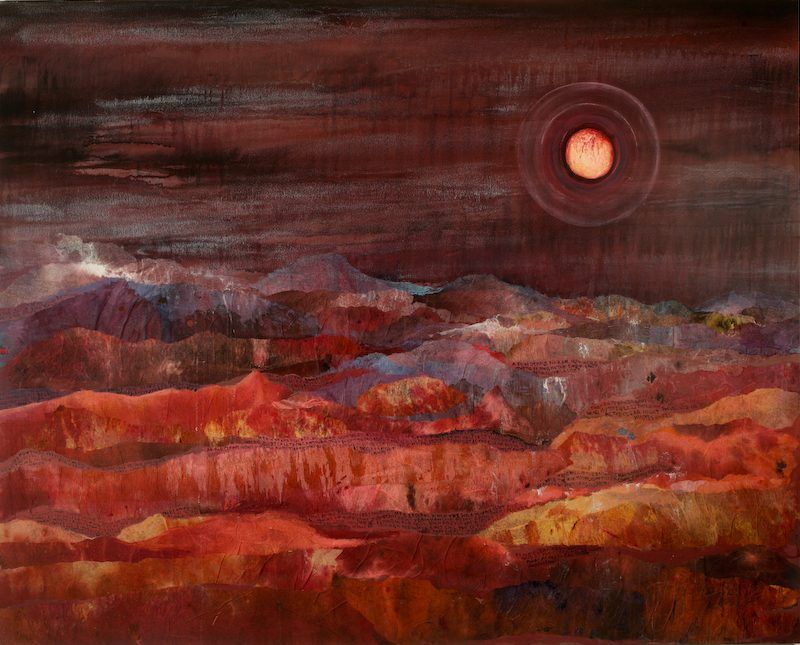
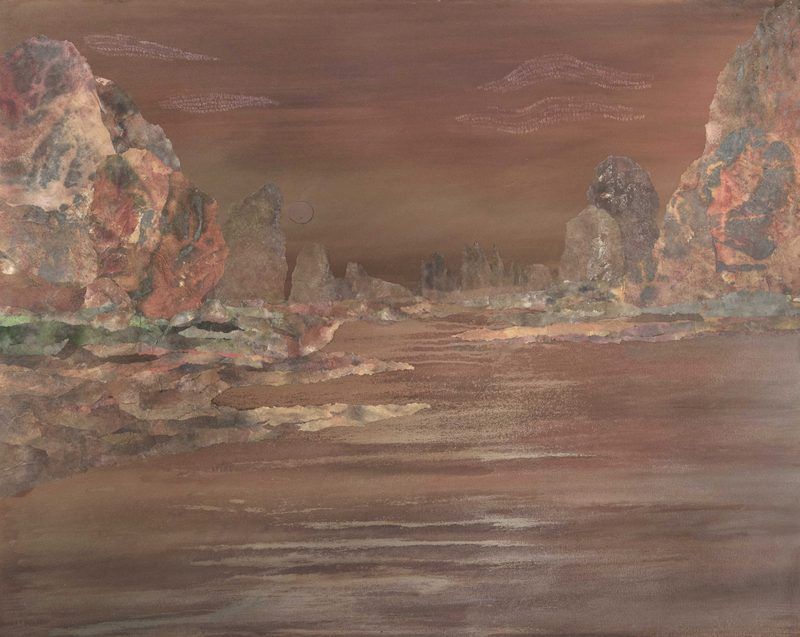
Beth Ames Swartz was the first to show us the power of art created through ritual and reverence for the sacred — in ways that often transcended space and time. She can set a canvas next to a poem a thousand years old and have them speak to each other. That's where this Foundation wanted to explore: the liminal space between disciplines and cultures to explore what is truly timeless. We're grateful for her ability to reveal this to those who are ready to listen to the quiet voices of nature and the subconscious, who both speak the language of the original AI (Ancient Intelligence).